
Branding mistakes can silently destroy trust in your business—often before a potential customer ever reads your content, contacts you, or buys from you. Subconsciously, people ask one simple question the moment they see your brand: “Can I trust this business?”
And here’s the uncomfortable truth: many businesses lose that trust before the first conversation even happens. Not because their product or service is bad, but because their branding sends the wrong signals.
A confusing logo, inconsistent visuals, unclear messaging, or a “trying-too-hard” brand voice can quietly push potential customers away. Most business owners don’t even realize it’s happening.
In this blog, we’ll break down the most common branding mistakes that kill trust, explain why they’re harmful in simple terms, and—most importantly—show you how to avoid them.
No jargon. No design lectures. Just real, practical branding advice.
Why Brand Trust Matters More Than Ever
Today’s customers are smarter, faster, and more skeptical than ever.
They compare.
They Google.
They scroll.
They judge — quickly.
If your brand doesn’t feel trustworthy within a few seconds, they move on. No second chances.
Strong brand trust helps you:
- Attract better-quality customers
- Charge premium prices
- Build long-term loyalty
- Stand out in crowded markets
Weak brand trust does the opposite:
- Low conversions
- High bounce rates
- Missed leads
- Customers choosing competitors
And the biggest mistake? Thinking branding is just about logos and colors. Branding is about how people feel when they interact with your business.
Common Branding Mistakes That Damage Trust
Let’s talk about the mistakes businesses make every day — often without realizing the damage they cause.
Inconsistent Brand Identity
This is one of the biggest trust-killers.
Different logo versions on social media.
Different colors on the website.
Different fonts in ads.
Different tone in emails.
To customers, this feels messy and unprofessional. When a brand looks inconsistent, people subconsciously think: “If they can’t manage their own brand, can they really manage my needs?”
Consistency creates familiarity.
Familiarity creates comfort.
Comfort creates trust.
How to avoid it:
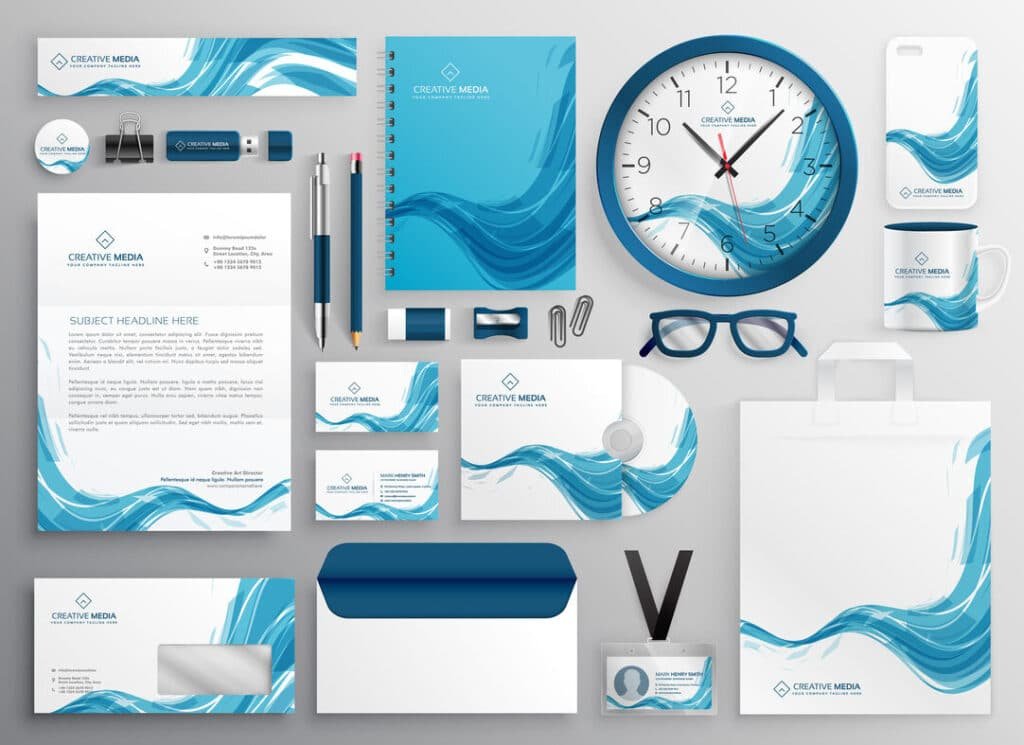
- Use one logo style everywhere
- Stick to the same brand colors and fonts
- Keep your tone consistent across all platforms
- Create simple brand guidelines (even a one-page document helps)
Poor Logo Design or Outdated Visuals
Your logo is often the first thing people notice. A poorly designed logo can make your business look:
- Cheap
- Unprofessional
- Outdated
- Unreliable
And no matter how good your service is, people judge before they experience it.
An outdated logo doesn’t mean “classic.” It often means “stuck in the past.”
How to avoid it:
- Keep your logo simple and readable
- Avoid overly complex shapes and tiny details
- Make sure it looks good on mobile, social media, and print
- Refresh outdated designs without losing brand identity
A modern logo doesn’t need to be fancy. It needs to be clear, confident, and relevant.
Unclear Brand Message
If people don’t understand what you do within seconds, trust drops fast. Many brands try to sound clever instead of clear.
Vague taglines like:
- “Innovating the future”
- “Your success partner”
- “We deliver excellence”
Sound nice — but say nothing.
Customers don’t want poetry. They want clarity.
How to avoid it:
- Clearly explain what you offer
- Focus on customer problems, not buzzwords
- Keep messaging simple and human
- Make your value obvious on your homepage
Clarity builds confidence.
Confidence builds trust.
Trying to Copy Competitors
This is a silent trust killer. Many brands copy competitors because:
- “They look successful”
- “Their website converts”
- “Everyone in our industry does this”
The problem? Customers can sense when a brand isn’t authentic. Copycat branding feels fake. And fake brands don’t earn trust.
How to avoid it:
- Learn from competitors, don’t copy them
- Identify what makes you different
- Build a unique brand voice and personality
- Be confident in your own story
Authenticity always wins in the long run.
Ignoring Your Target Audience
Trying to appeal to everyone usually results in appealing to no one. A brand designed without a clear audience often feels:
- Confusing
- Generic
- Emotionless
If your audience doesn’t feel seen or understood, trust disappears.
How to avoid it:
- Define who your ideal customer really is
- Use language your audience relates to
- Choose visuals that reflect their lifestyle and values
- Speak to them, not at them
When customers feel understood, trust follows naturally.
Low-Quality Design Across Platforms
This one hurts more than most businesses realize.
Your website looks decent, but your social media posts look random. Your ads look cheap, but your packaging looks premium. That mismatch immediately raises red flags.
Customers think: “Why doesn’t this brand look consistent or professional everywhere?”
Low-quality or mismatched design quietly tells people that the business may cut corners — even if that’s not true.
How to avoid it:
- Use the same colors, fonts, and visual style everywhere
- Avoid low-quality stock images
- Keep designs clean and readable
- Make sure your website, social media, ads, and print materials feel connected
Good design doesn’t need to be expensive — it needs to be intentional.
No Emotional Connection
Some brands look fine… but feel empty.
No story.
No personality.
No emotion.
People don’t trust brands they don’t connect with emotionally.
We don’t buy based on logic alone — we buy based on feelings, then justify with logic later.
How to avoid it:
- Share your brand story (why you started)
- Show real people behind the brand
- Use relatable language instead of corporate talk
- Tell stories instead of just listing features
When people feel something, they remember you. When they remember you, they trust you.
Overpromising and Underdelivering
This is one of the fastest ways to destroy trust.
Bold claims like:
- “Best in the market”
- “Guaranteed results”
- “No.1 service provider”
Sounds impressive — until reality doesn’t match.
Customers don’t expect perfection. They expect honesty.
How to avoid it:
- Be realistic in your promises
- Let results and testimonials speak for you
- Under-promise and over-deliver
- Keep your branding aligned with your actual service quality
Trust grows when expectations match experience.
How to Avoid These Branding Mistakes
Now let’s talk about solutions — practical ones.
Build a Clear Brand Foundation
Before design comes clarity.
You need to know:
- What your brand stands for
- Who it serves
- What problem it solves
- How it’s different
Without this foundation, branding becomes guesswork.
Tip:
Write your brand message as if you’re explaining it to a friend in one sentence.
Invest in Professional Branding
Branding isn’t an expense. It’s an investment.
Professional branding:
- Builds credibility
- Saves time long-term
- Creates consistency
- Improves conversions
Cutting corners in branding often costs more later in lost trust and missed opportunities.
Maintain Consistency Everywhere
Consistency is what makes brands feel reliable.
Use the same:
- Logo
- Colors
- Fonts
- Tone of voice
Across:
- Website
- Social media
- Ads
- Emails
- Packaging
Consistency doesn’t limit creativity — it strengthens recognition.
Design With Your Audience in Mind
Always ask: “Will my audience understand this?”
Not: “Do I like this design?”
Branding is about connection, not personal taste.
Focus on Authenticity
You don’t need to look perfect. You need to look real.
Authentic brands:
- Communicate honestly
- Admit limitations
- Show their human side
People trust brands that feel genuine.
Real-Life Example: Branding Mistakes Fixed
Let’s look at a simple example to make this real.
Before
A small digital agency had:
- A messy logo with too many colors
- Different brand styles on Instagram and website
- Confusing message that didn’t explain what they do
- Low-quality design assets
Customers couldn’t trust them because the brand looked inconsistent and unprofessional.
After
They made simple changes:
- Updated logo to a clean, modern version
- Created a consistent brand color palette
- Standardized fonts and design style
- Clarified messaging: “We build conversion-focused websites”
- Used consistent visuals across all platforms
Result
Within a few weeks:
- Website bounce rate dropped
- More inquiries started coming in
- Their brand began to feel more credible
- Customers started trusting them more
This proves one thing: Trust is built through consistency, clarity, and professionalism.
Branding Trust Checklist
Use this checklist to audit your brand today:
✔️ Consistent logo, colors, and fonts
✔️ Clear messaging that explains what you do
✔️ Professional design across all platforms
✔️ Authentic brand voice and story
✔️ Real testimonials and social proof
✔️ No exaggerated promises
✔️ Audience-focused design and language
✔️ Simple, clean, and modern visuals
If your brand fails on more than 2–3 items, you may be losing trust without even knowing it.
Conclusion
Brand trust is not built by chance. It’s built through:
- consistency
- clarity
- authenticity
- quality design
- honest messaging
If your branding is confusing, inconsistent, or outdated, customers will not feel confident buying from you.
But the good news is: Branding mistakes are fixable. And even small improvements can have a major impact on trust, credibility, and sales.
If you’re unsure whether your brand is losing trust, we can help. At ePrint, we specialize in:
- Branding that builds trust
- Professional logo design
- Consistent brand identity
- Conversion-focused website design
Get a free brand audit today and see where your branding is losing trust.